Australia
The Australia National Soccer Team, founded in 1922 and governed by Football Australia, proudly represents the nation in FIFA competitions. A regular FIFA World Cup participant since 1974, Australia has also achieved success in the AFC Asian Cup, winning the title in 2015. Known for its resilience, discipline, and fighting spirit, the team continues to grow as a competitive force, uniting fans and showcasing Australian determination on football’s global stage.

Explore the official Australia National Team squad and get a clear overview of every player selected for the tournament. Discover the key details behind the stars, rising talents, and core squad members who shape the team’s World Cup 2026 campaign.

P. Beach
Position
Goalkeeper
Age
22

P. Izzo
Position
Goalkeeper
Age
30

M. Ryan
Position
Goalkeeper
Age
33

A. Behich
Position
Midfielder
Age
35

J. Bos
Position
Defender
Age
23

C. Burgess
Position
Defender
Age
30

A. Circati
Position
Defender
Age
22

J. Geria
Position
Defender
Age
32

L. Herrington
Position
Defender
Age
18

H. Souttar
Position
Defender
Age
27

M. Degenek
Position
Defender
Age
31

J. Italiano
Position
Defender
Age
24

K. Trewin
Position
Defender
Age
24

J. Irvine
Position
Midfielder
Age
32

C. Devlin
Position
Midfielder
Age
27

A. O Neill
Position
Midfielder
Age
27

Paul Okon-Engstler
Position
Midfielder
Age
20

C. Metcalfe
Position
Midfielder
Age
26

A. Hrustic
Position
Midfielder
Age
29

C. Volpato
Position
Attacker
Age
22

N. Irankunda
Position
Midfielder
Age
19

M. Leckie
Position
Attacker
Age
34

A. Mabil
Position
Midfielder
Age
30

T. Yengi
Position
Attacker
Age
25

M. Touré
Position
Attacker
Age
21

N. Velupillay
Position
Attacker
Age
24
Meet the Australia National Team coaching staff, who play a vital role in preparing the squad for success on the international stage. Working behind the scenes, they support the team’s tactical development, physical conditioning, match preparation, and overall performance throughout World Cup 2026.
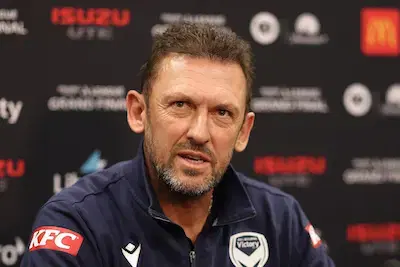
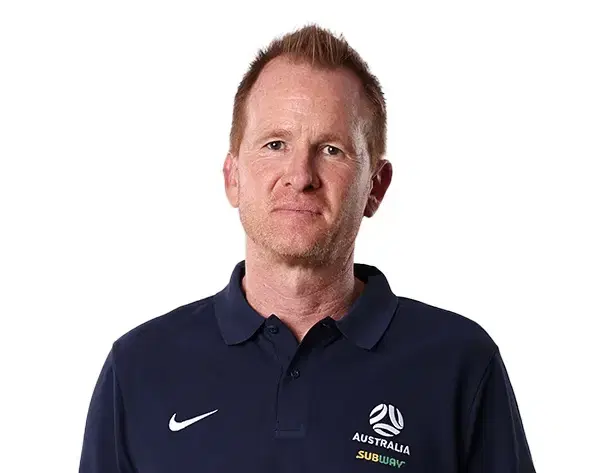
Tony Popović
Head Coach
Birthday:
Jul 4, 1973
Nationality:
Australia
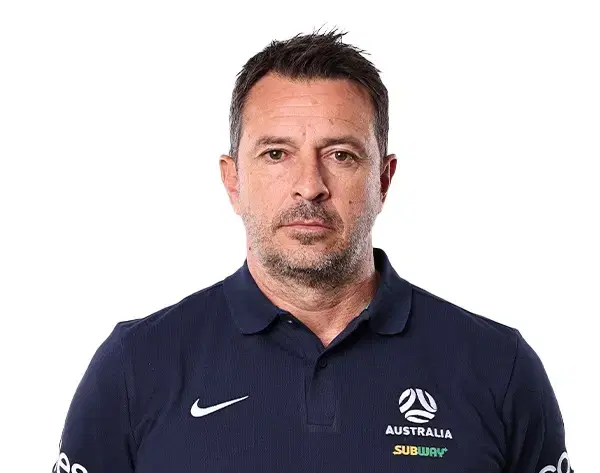
Hayden Foxe
Assistant Coach
Birthday:
Jun 23, 1977
Nationality:
Australia
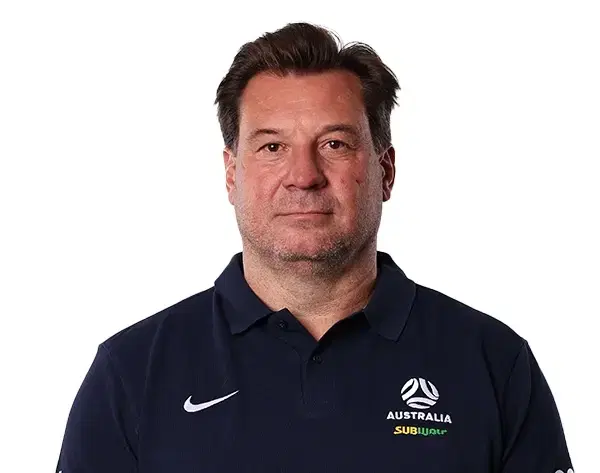
Paul Okon
Assistant Coach
Birthday:
Apr 5, 1972
Nationality:
Australia

Mile Jedinak
Assistant Coach
Birthday:
Aug 3, 1984
Nationality:
Australia
Frank Juric
Goalkeeping Coach
Birthday:
Oct 28, 1973
Nationality:
Australia

Leigh Egger
Fitness Coach / Physical Performance Lead
Birthday:
Apr 21, 1993
Nationality:
Australia
Explore the latest Australia matches at the FIFA World Cup 2026 and stay updated on results, key moments, and standout player performances from every game.
USA vs Australia
2 : 0
Jun 19, 2026 • World Cup 2026
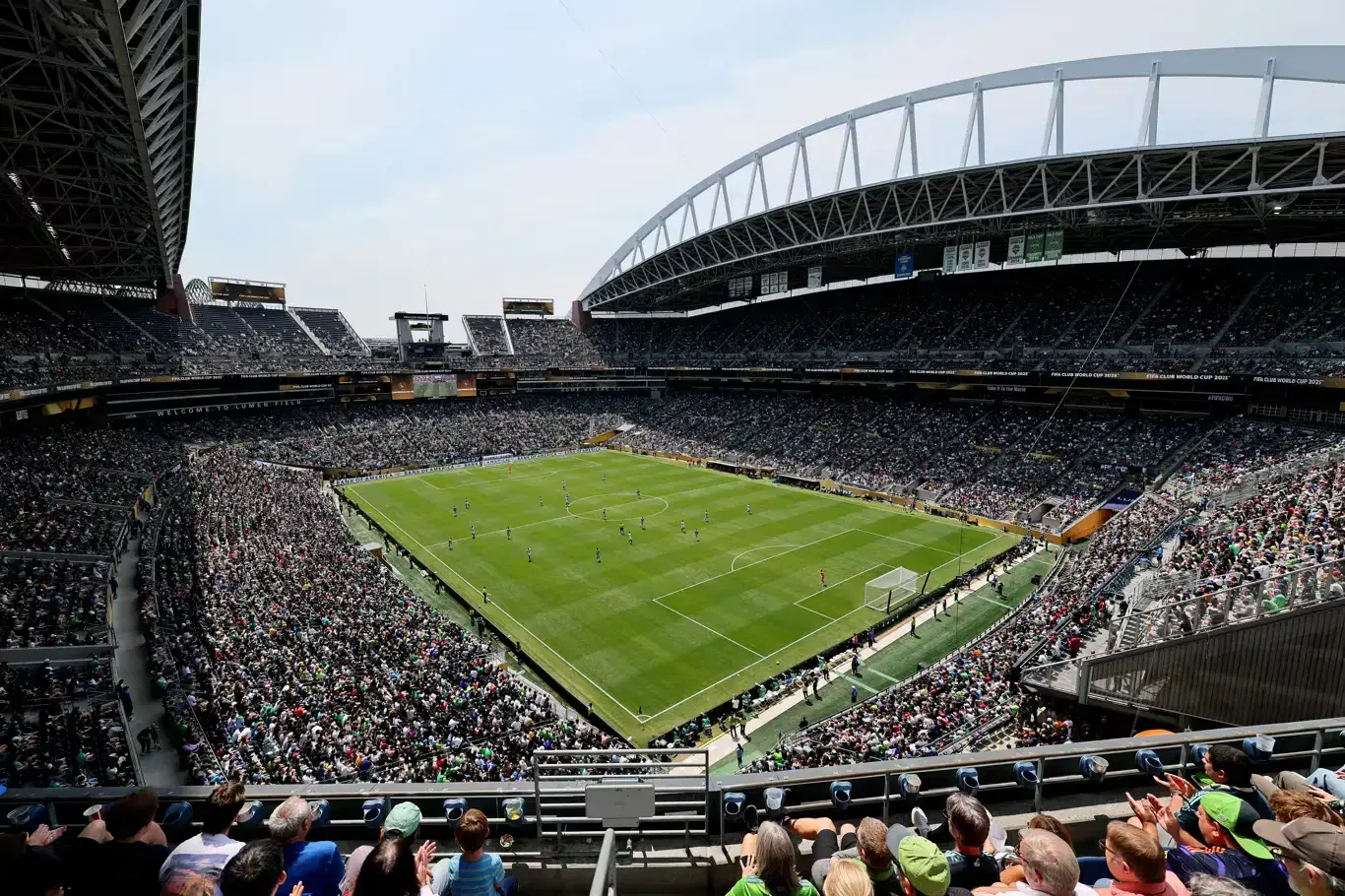
Seattle Stadium
Australia vs Türkiye
2 : 0
Jun 14, 2026 • World Cup 2026
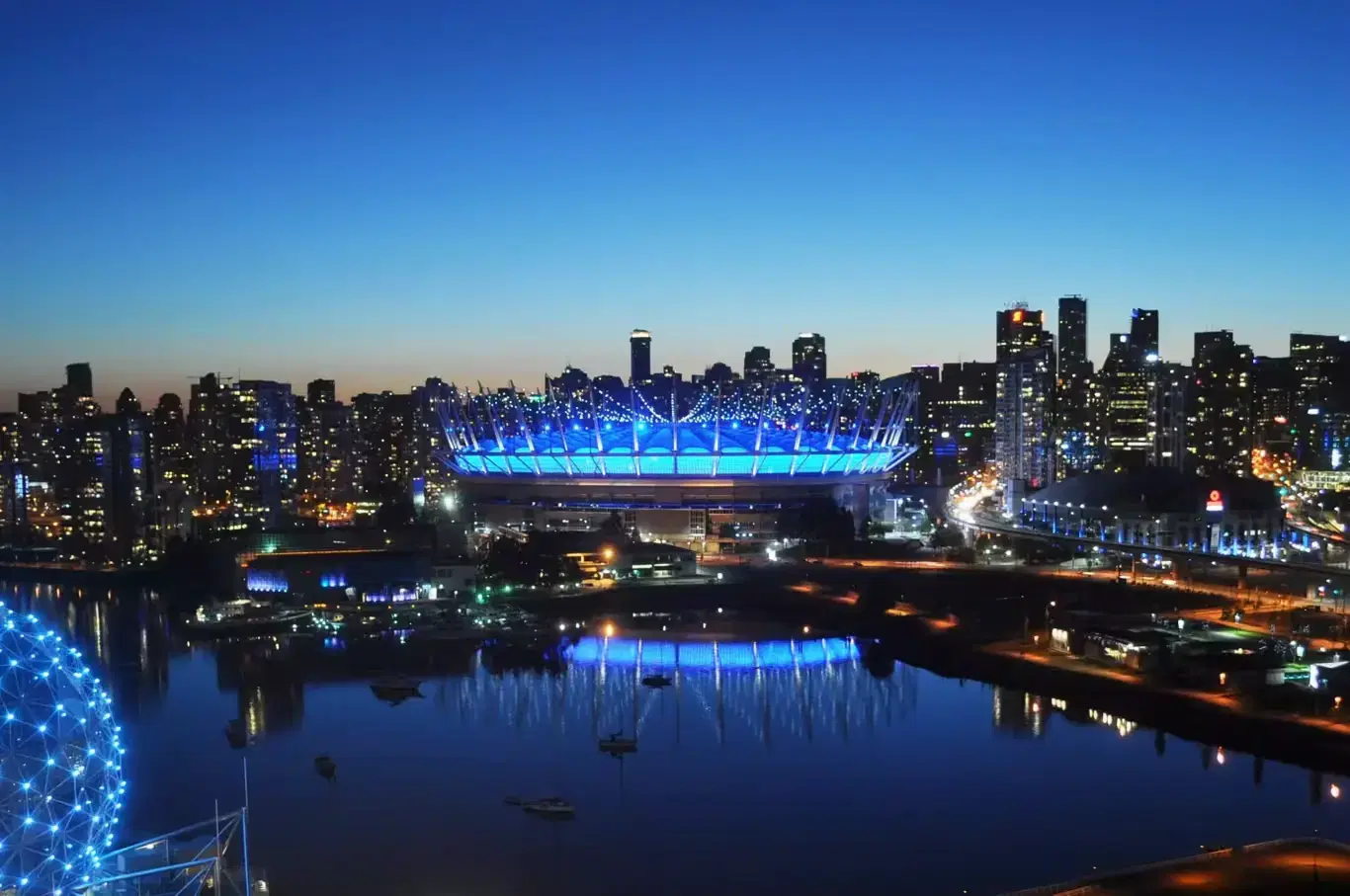
BC Place Vancouver
Australia vs Curaçao
5 : 1
Mar 31, 2026 • FIFA Series
AAMI Park, Melbourne
Australia vs Cameroon
1 : 0
Mar 27, 2026 • FIFA Series
Accor Stadium, Sydney
Colombia vs Australia
3 : 0
Nov 19, 2025 • Friendlies
Citi Field, Flushing
Venezuela vs Australia
1 : 0
Nov 15, 2025 • Friendlies
Shell Energy Stadium, Houston
USA vs Australia
2 : 1
Oct 15, 2025 • Friendlies
Dick's Sporting Goods Park, Commerce City
Canada vs Australia
0 : 1
Oct 10, 2025 • Friendlies
Saputo Stadium, Montreal
New Zealand vs Australia
1 : 3
Sep 9, 2025 • Friendlies
Go Media Stadium, Auckland
Australia vs New Zealand
1 : 0
Sep 5, 2025 • Friendlies
GIO Stadium Canberra, Canberra
Saudi Arabia vs Australia
1 : 2
Jun 10, 2025 • World Cup - Qualification Asia
King Abdullah Sports City, Jeddah
Australia vs Japan
1 : 0
Jun 5, 2025 • World Cup - Qualification Asia
Optus Stadium, Perth
Australia reached the 2026 FIFA World Cup by progressing through two stages of AFC qualifying. The Socceroos were perfect in the second round, winning all six matches in Group I, scoring 22 goals, and conceding none. The third round proved tougher, with an opening defeat to Bahrain and several draws keeping the race tight. However, Australia responded strongly under Tony Popovic with important wins over Indonesia, China PR, and Japan, before a 2–1 away victory over Saudi Arabia on June 10, 2025 sealed automatic qualification and second place in Group C behind Japan.
Played
Qualification matches played
Won
Matches won
Drawn
Matches drawn
Lost
Matches lost
Goals For
Total goals scored
Goals Against
Total goals conceded
Goal Difference
GF minus GA
Points
3 per win, 1 per draw
Road to WC
Match | Date | MatchUp | Stadium | City | Score |
|---|---|---|---|---|---|
1 | Nov 16, 2023 | Australia vs Bangladesh | Melbourne Rectangular Stadium | Melbourne | 7:0 |
2 | Nov 21, 2023 | Palestine vs Australia | Jaber Al Ahmad International Stadium | Kuwait | 0:1 |
3 | Mar 21, 2024 | Australia vs Lebanon | Western Sydney Stadium | Parramatta | 2:0 |
4 | Mar 26, 2024 | Lebanon vs Australia | GIO Stadium | Canberra | 0:5 |
5 | Jun 6, 2024 | Bangladesh vs Australia | Bashundhara Kings Arena | Dhaka | 0:2 |
6 | Jun 11, 2024 | Australia vs Palestine | HBF Park | Perth | 5:0 |
7 | Sep 5, 2024 | Australia vs Bahrain | Cbus Super Stadium | Gold Coast | 0:1 |
8 | Sep 10, 2024 | Indonesia vs Australia | Istora Gelora Bung Karno | Jakarta | 0:0 |
9 | Oct 10, 2024 | Australia vs China | Adelaide Oval | Adelaide | 3:1 |
10 | Oct 15, 2024 | Japan vs Australia | Saitama Stadium | Saitama | 1:1 |
11 | Nov 14, 2024 | Australia vs Saudi Arabia | Melbourne Rectangular Stadium | Melbourne | 0:0 |
12 | Nov 19, 2024 | Bahrain vs Australia | Bahrain National Stadium | Riffa | 2:2 |
13 | Mar 20, 2025 | Australia vs Indonesia | Sydney Football Stadium | Sydney | 5:1 |
14 | Mar 25, 2025 | China vs Australia | Changzhou Olympic Sports Centre | Changzhou | 0:2 |
15 | Jun 5, 2025 | Australia vs Japan | Optus Stadium | Perth | 1:0 |
16 | Jun 10, 2025 | Saudi Arabia vs Australia | King Abdullah Sports City | Jeddah | 1:2 |
Australia’s World Cup story is built on persistence, breakthrough moments, and unforgettable drama. The Socceroos made their tournament debut in 1974, but their biggest early breakthrough came in 2006, when they reached the Round of 16 for the first time. That campaign produced one of Australia’s most famous World Cup nights: a 3–1 comeback win over Japan, with Tim Cahill scoring the country’s first-ever World Cup goals before John Aloisi sealed the victory.
Australia also created a new landmark in 2022 by reaching the Round of 16 again, confirming that the 2006 run was no longer a one-off. The tournament has also brought heartbreak, especially the narrow 1–0 extra-time defeat to Italy in 2006 after a late penalty ended a brave knockout performance. Figures such as Tim Cahill, Harry Kewell, and Mark Schwarzer remain central to Australia’s World Cup identity and its history of resilience on the global stage.
Australia have appeared at the FIFA World Cup seven times, with 2026 set to be their eighth participation. The Socceroos made their tournament debut in 1974 and have become regular qualifiers in the modern era.
Australia’s best World Cup finish is the Round of 16, reached in 2006 and again in 2022. Those two campaigns remain the high points of the nation’s history at the tournament.
Tim Cahill is Australia’s top World Cup scorer with five goals. He also became the country’s first-ever World Cup goalscorer and scored at three different tournaments.
Mark Schwarzer holds Australia’s all-time appearance record with 109 caps. His longevity made him one of the defining figures in the modern rise of Australian football.
In 2006, Australia reached the knockout stage for the first time and recorded their first-ever World Cup win by beating Japan 3–1. That match also featured Tim Cahill’s late double, which delivered the Socceroos’ first World Cup goals.

Riley McGree
A creative attacking midfielder who links play and unlocks defenses, McGree adds accuracy and big-moment quality—highlighted by his decisive assist against Japan in qualifiers.

Connor Metcalfe
A modern central midfielder with energy and creativity, Metcalfe helps drive Australia’s tempo through the middle and has delivered key contributions in the World Cup qualifying run.
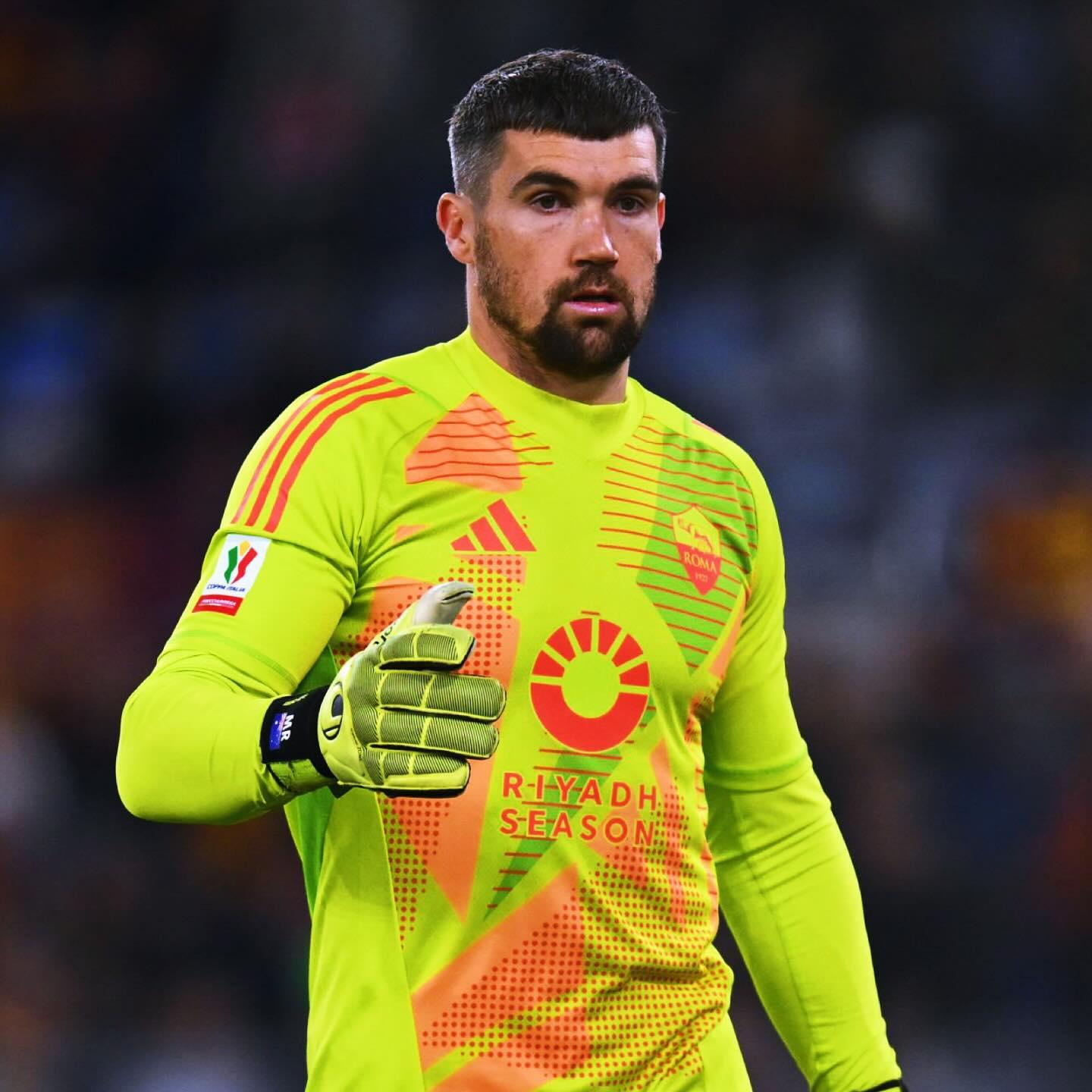
Mathew Ryan
Ryan is Australia’s captain and first-choice keeper through multiple qualification cycles. His leadership, shot-stopping, and experience in Europe (Valencia, Brighton, AZ) make him crucial for Australia’s 2026 campaign.

Harry Souttar
A towering centre-back and major set-piece threat, Souttar is one of Australia’s most important defensive leaders. He brings aerial dominance and organization to the back line.
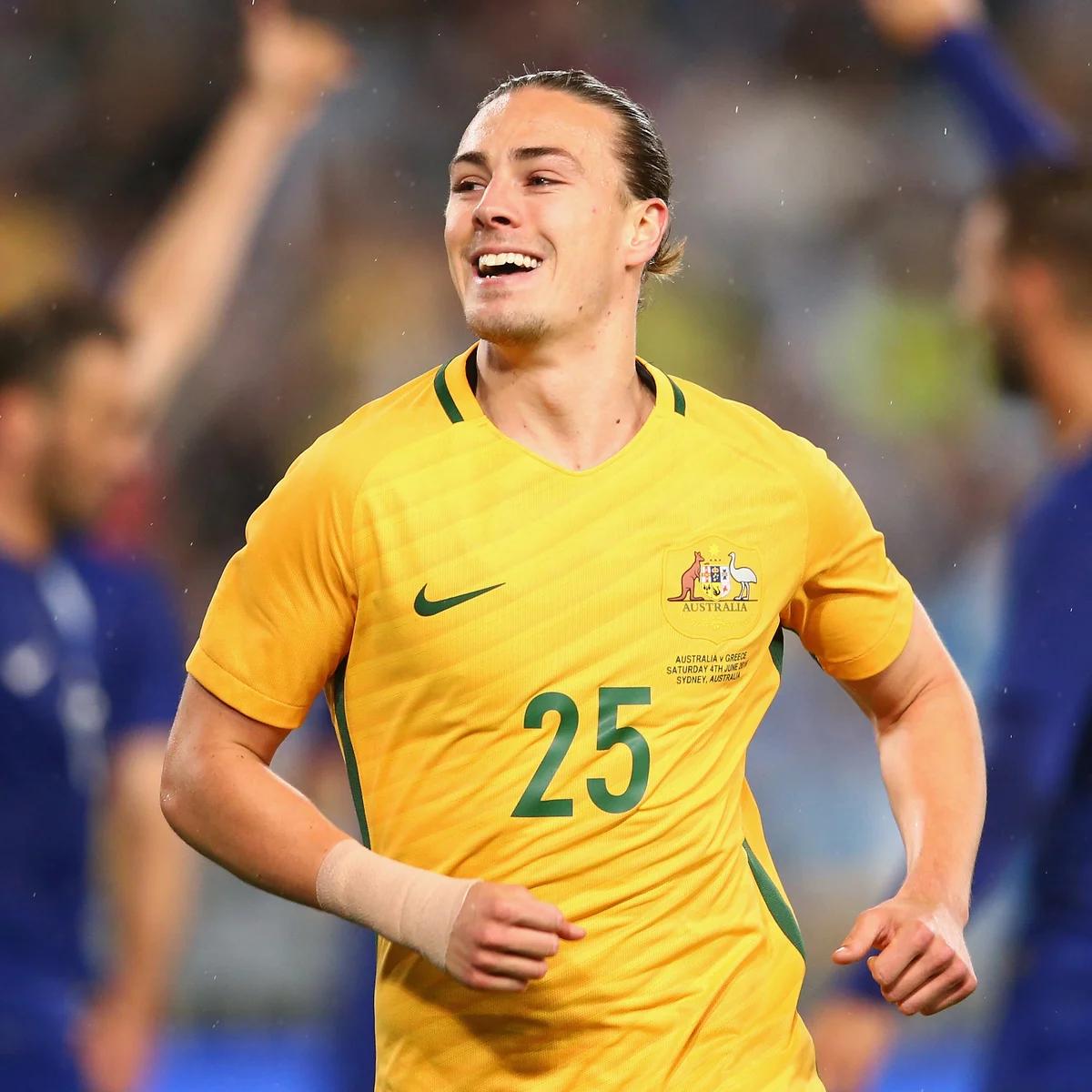
Jackson Irvine
Irvine is a key figure in Australia’s midfield during qualification. Known for his stamina, pressing intensity, and box-to-box presence. Irvine’s consistency and leadership have made him one of the Socceroos’ most reliable performers.
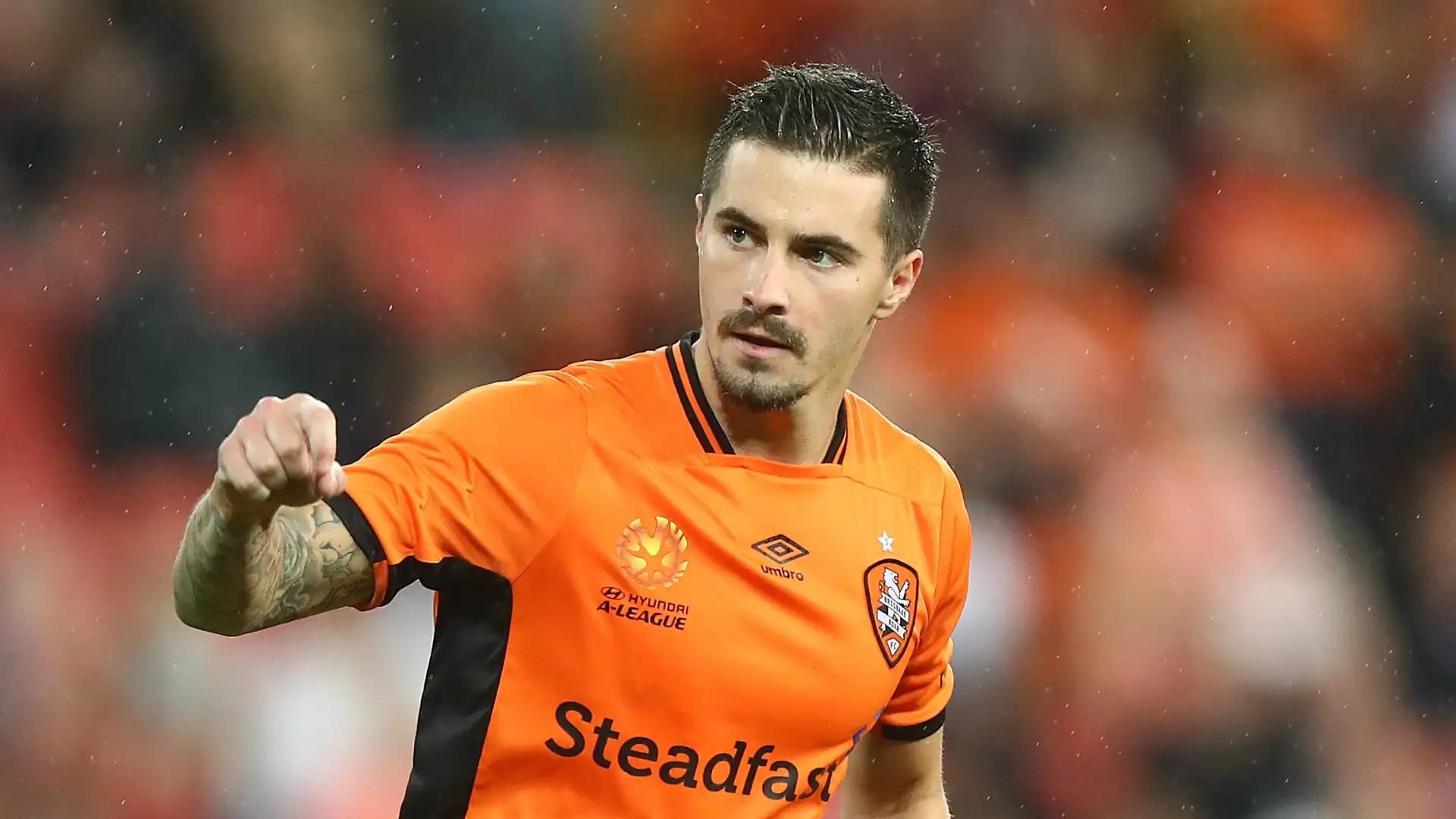
Jamie Maclaren
Maclaren is one of the top Australian forwards of his generation, known for his impressive A-League scoring record. His finishing and intelligent movement have made him a key contributor in Australia’s recent World Cup qualification campaigns.
Tim Cahill
Australia’s greatest-ever goal scorer and a global football icon. Cahill is famous for his heading ability, clutch goals, and four consecutive World Cup appearances (2006–2018). His volleys and leadership helped put Australia firmly on the world football map.
Harry Kewell
Kewell, an attacking midfielder, is one of the most technically gifted Australian players. Known for his creativity, dribbling, and big-game moments, he starred for Leeds and Liverpool at the highest levels, inspiring future generations of Australian talent.
Mark Schwarzer
Schwarzer is the most legendary goalkeeper in Australia’s history and the backbone of the national team for nearly two decades. Key in Australia’s qualification for the 2006 World Cup after saving two penalties vs. Uruguay.
Mark Viduka
One of Australia’s greatest-ever strikers and the leading figure of the golden generation. Viduka combined strength and sharp finishing, captaining the Socceroos at the 2006 World Cup and delivering iconic goals that helped define Australia’s modern football rise.
Follow Australia at the FIFA World Cup 2026 and discover where the team will play throughout the tournament. Explore the full match schedule, host cities, and stadiums set to stage some of the competition’s biggest moments. From group-stage fixtures to possible knockout-round drama, find everything you need to experience the action live at football’s biggest event.
Australia has participated 6 times before 2026 (1974, 2006, 2010, 2014, 2018, 2022).
Australia has never reached a FIFA World Cup final.
Australia has reached the knockout rounds twice — the Round of 16 in 2006 and again in 2022.
Australia’s best finish is the Round of 16 (2006 and 2022).
Australia’s worst outcomes have been group-stage exits, including their debut campaign in 1974.
Australia’s biggest rivalry is with New Zealand. Another major modern rivalry is Japan, widely viewed as one of Australia’s fiercest AFC matchups.
Australia qualified through AFC qualifying, securing a direct place by finishing second in their AFC third-round group, highlighted by key wins over Japan and Saudi Arabia.
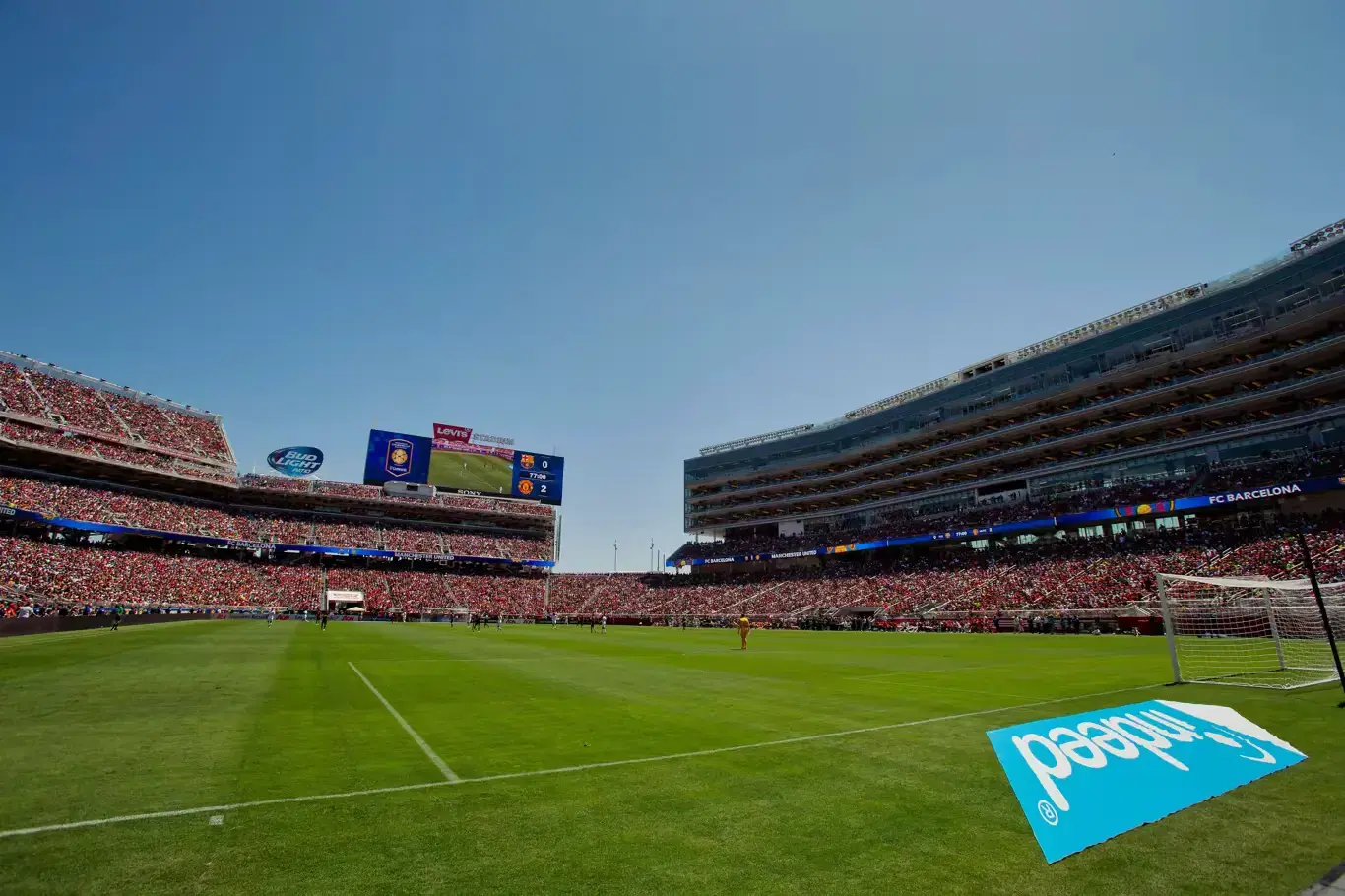
Australia’s group-stage matches are scheduled for Vancouver, Seattle, and the San Francisco Bay Area, with fixtures set for June 14 against Türkiye in Vancouver, June 19 against the USA in Seattle, and June 25 against Paraguay in the San Francisco Bay Area.

The no 1 marketplace in the world
Ticombo® is now the most followed of all reselling platforms in Europe. Thank you!
Seal of Excellence by EU Commission
Ticombo GmbH (parent company) is recognized under Horizon 2020, the EU's research and innovation funding program for its proposal No. 782393.

As seen on the news